Veterinary Surgery in Denver CO
A guide to choosing a veterinary surgery provider in Denver, with 122 options compared on training, equipment, and aftercare quality.
Veterinary surgery in Denver
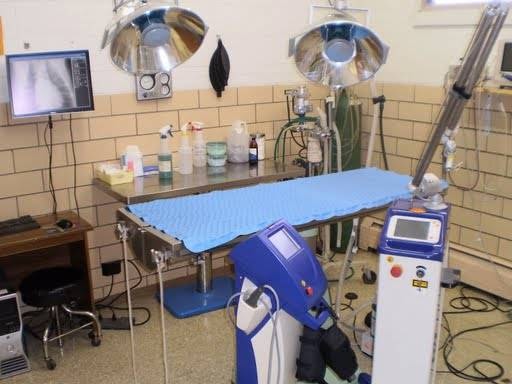
Veterinary surgery covers everything from routine spays, neuters, and dental extractions to more involved procedures like mass removals, orthopedic repairs (torn ligaments, fracture repairs), foreign body removal, and soft tissue surgeries for conditions like bloat or bladder stones. Some general practices handle the routine end of this list in-house, while more complex cases get referred to specialty or emergency surgical centers with board-certified surgeons and advanced imaging. Denver has 122 businesses offering some form of surgical service, ranging from neighborhood clinics to dedicated surgical and specialty hospitals.
When you're comparing options, pay attention to who's actually performing the procedure: a general practitioner, or a board-certified veterinary surgeon (DACVS). Ask what monitoring equipment is used during anesthesia (pulse oximetry, blood pressure, ECG, capnography), whether a dedicated technician monitors your pet throughout, and what pain management protocols look like both during and after surgery. A clear written estimate, a plan for complications, and a straightforward discharge and follow-up process are all signs of a well-run surgical practice.
Our scoring weighs verified reviews, surgical credentials, equipment on hand, and how consistently a practice communicates with pet owners before and after procedures, so you can shortlist places with a real track record rather than guessing from a website. See the full ranked list at best veterinary surgery providers in Denver, and check our methodology for how we build these rankings.
All veterinary surgery, by score
88 businesses. Filter and sort below, or open the full map view.

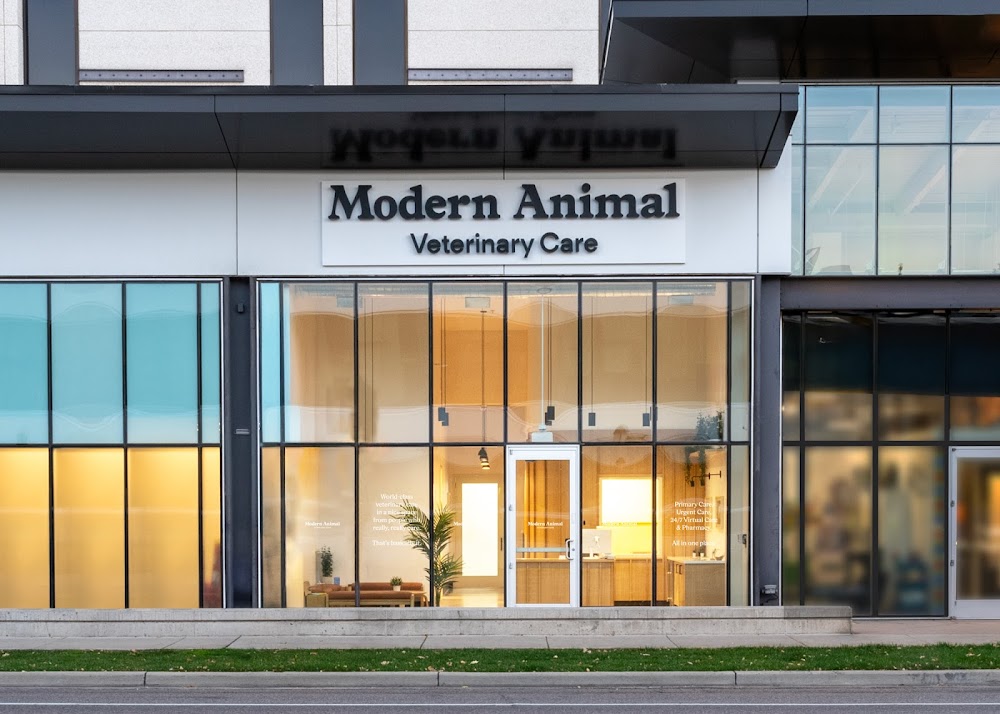
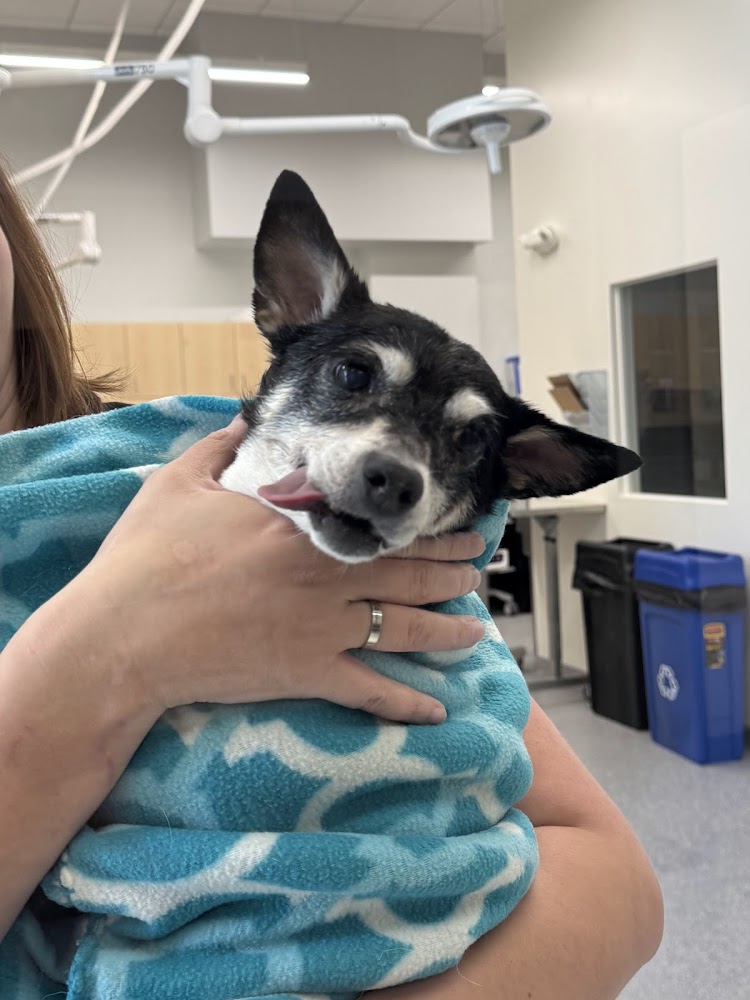
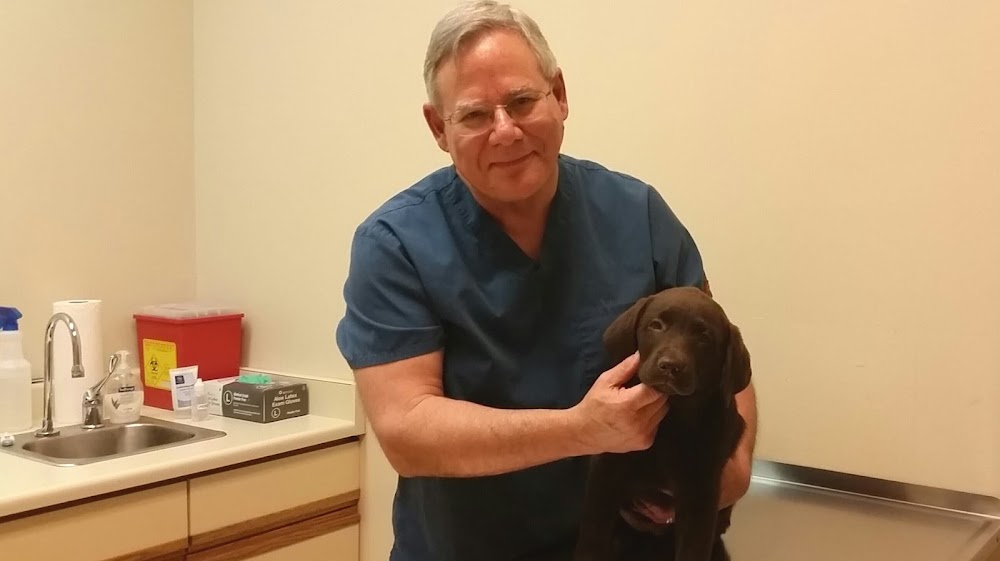
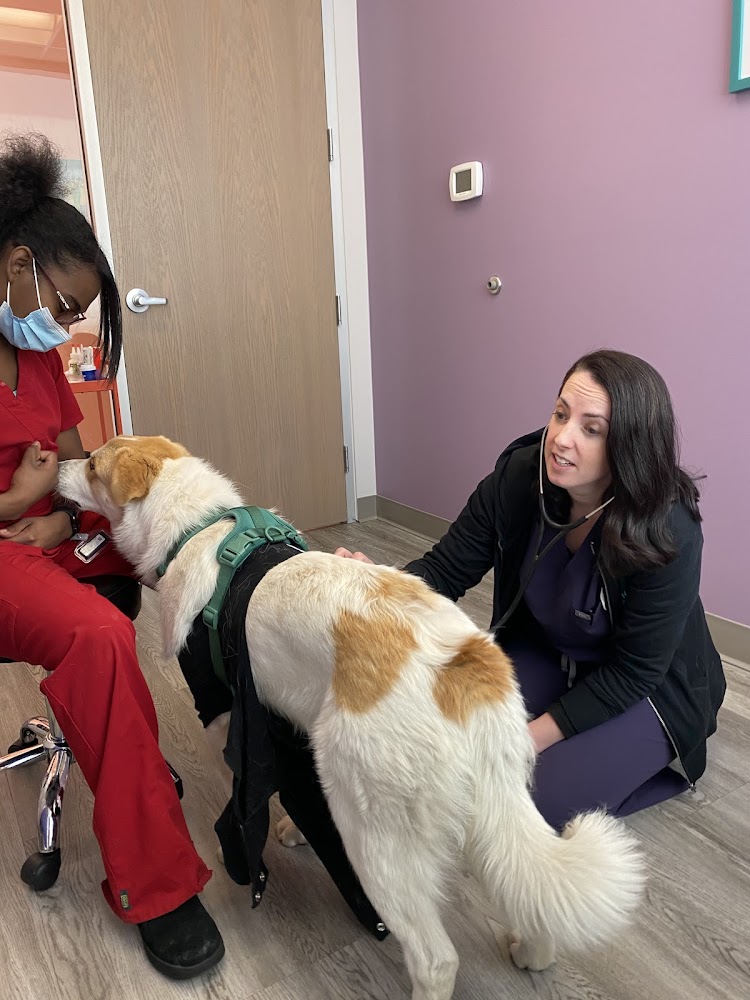

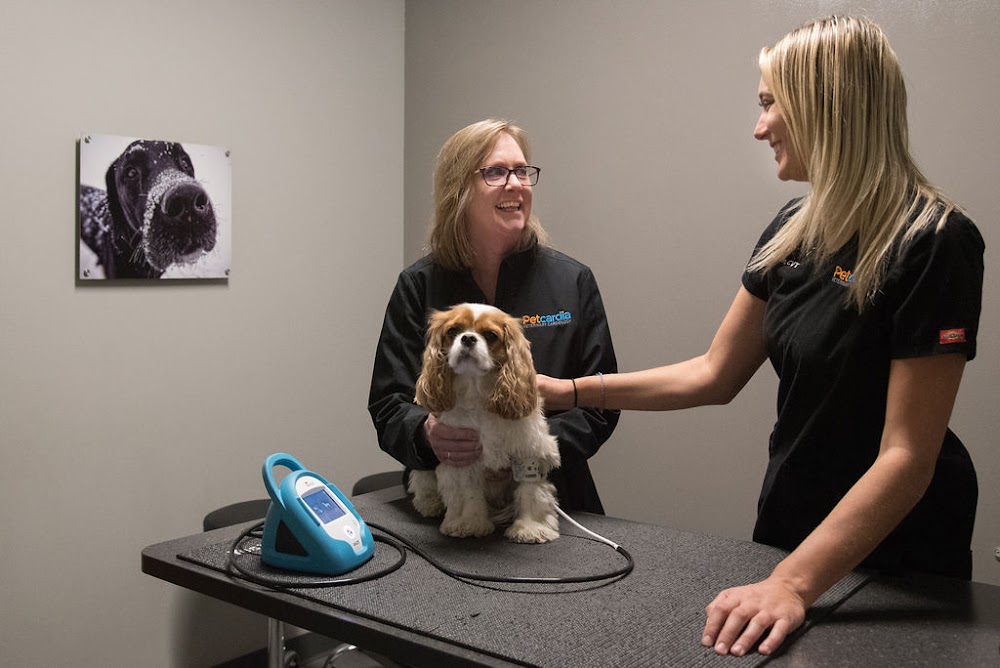
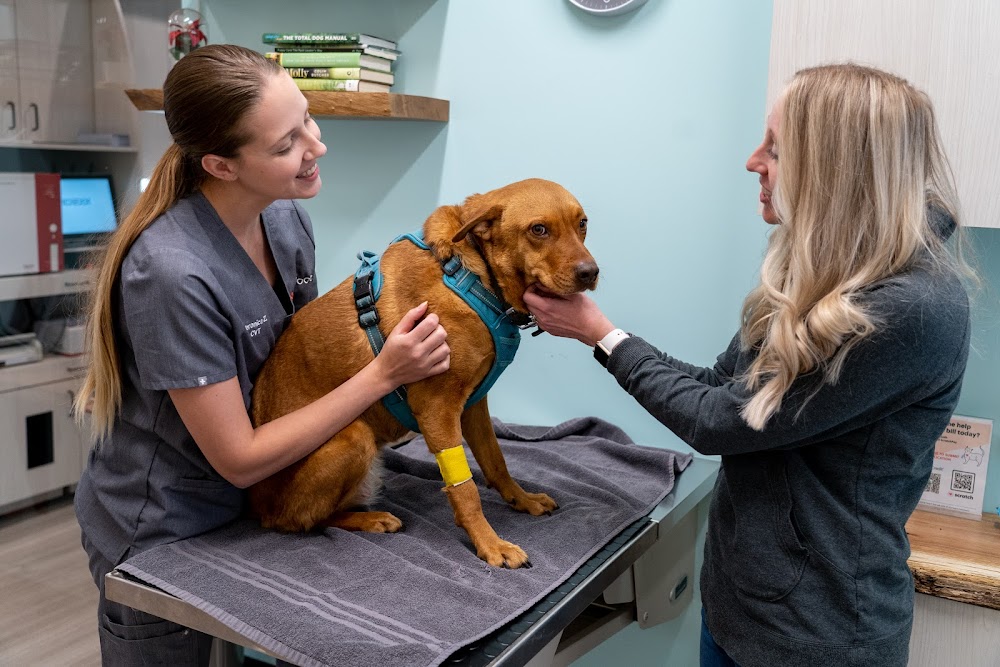
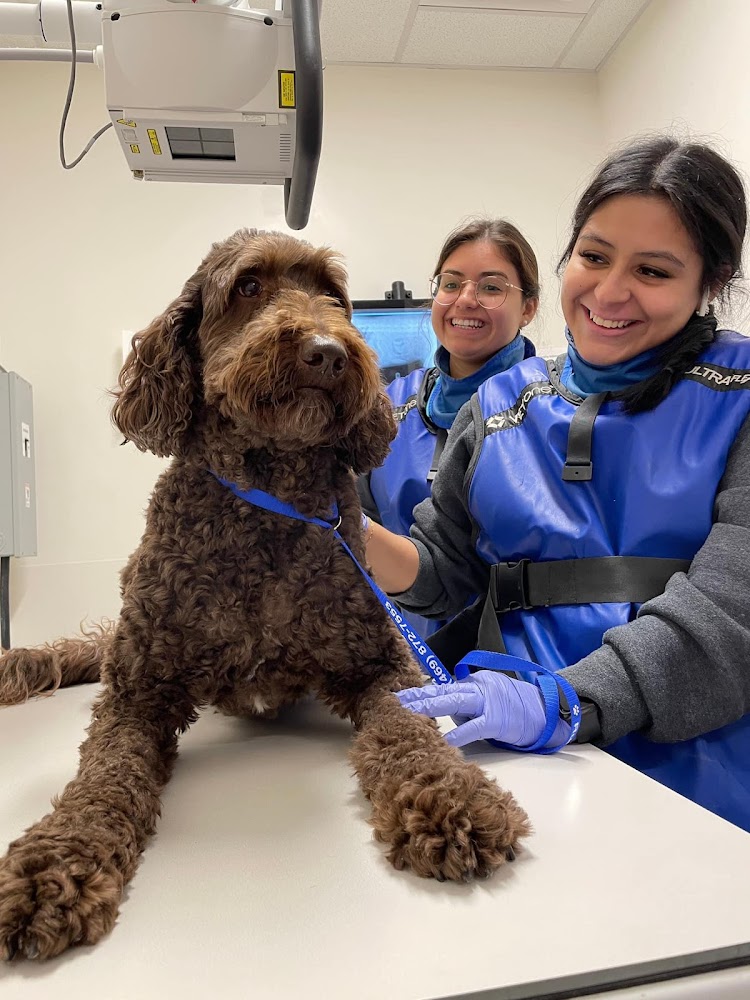
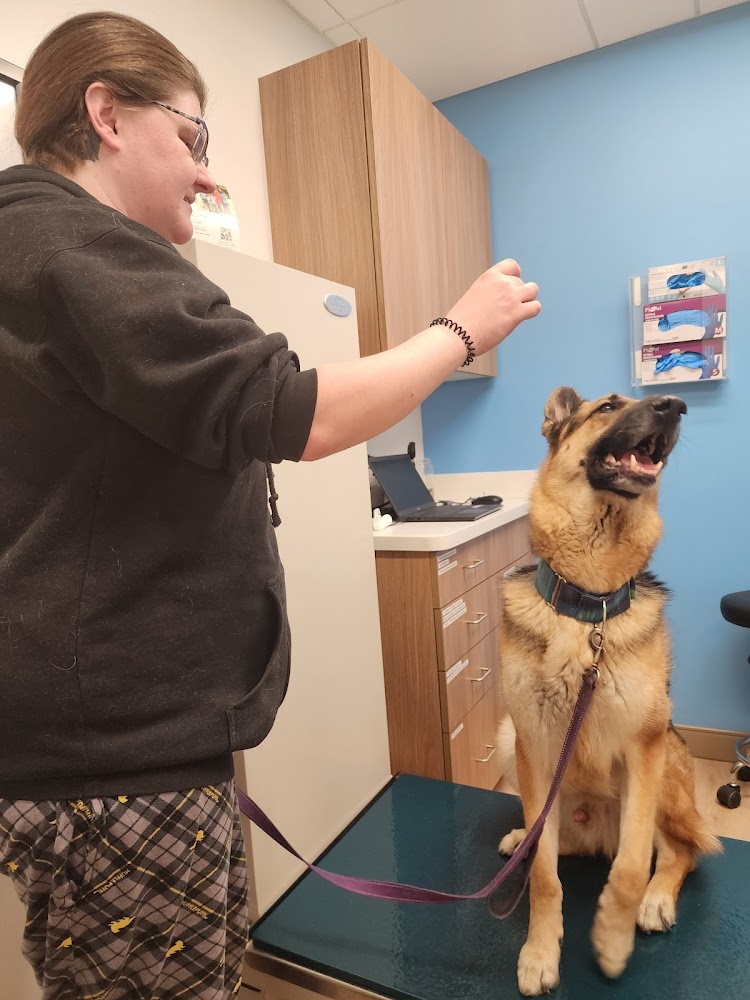
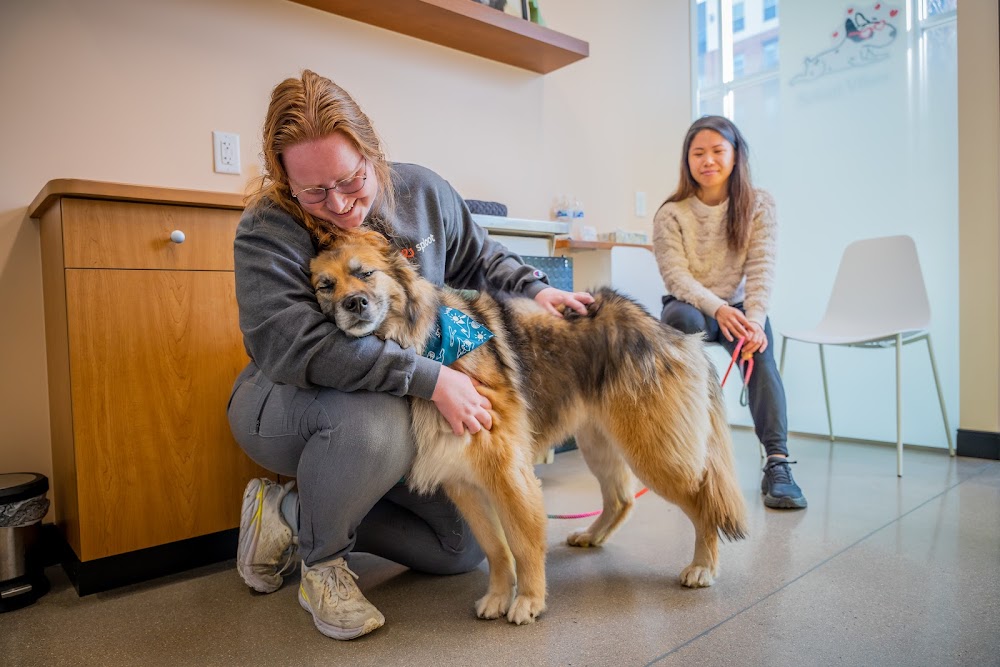
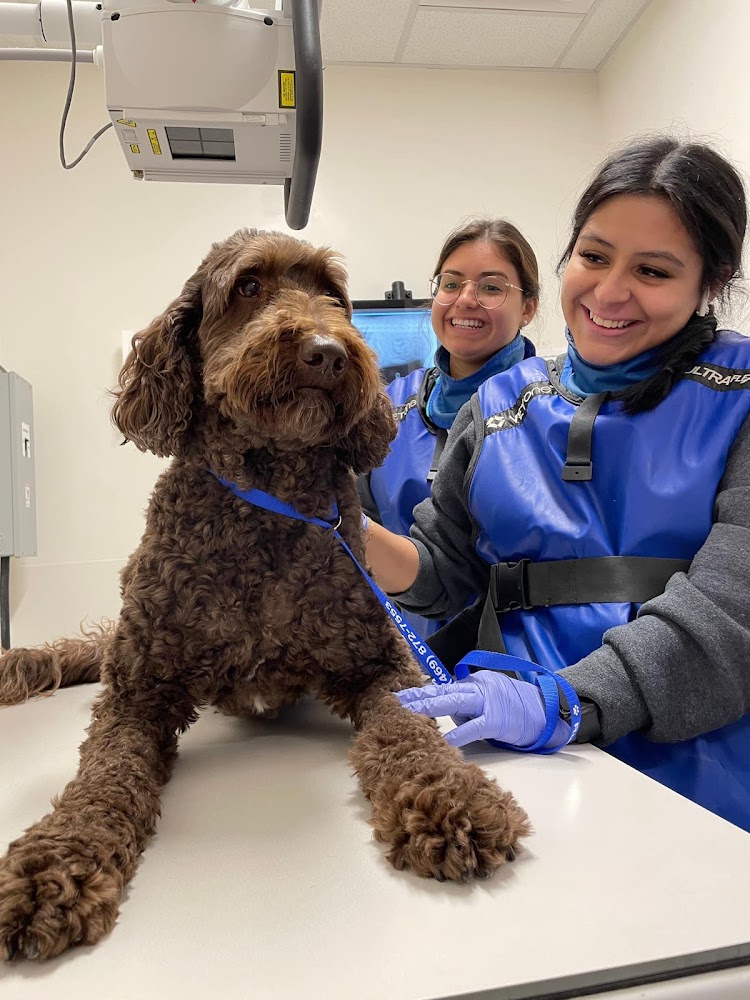



Common questions about veterinary surgery
- How much does veterinary surgery cost in Denver?
- It depends heavily on the procedure. A routine spay or neuter often runs a few hundred dollars, while orthopedic surgery (like a torn ACL/CCL repair) or a complex mass removal with a specialty surgeon can run into the thousands once you factor in imaging, anesthesia, and follow-up visits. Always ask for a written estimate that separates surgery, anesthesia, medications, and aftercare costs so you can compare quotes fairly.
- How often does a pet need surgery in its lifetime?
- Most pets only need one or two planned surgeries, typically spay/neuter early on and possibly a dental or mass removal later in life. Beyond that, need is usually driven by injury or illness rather than a set schedule, which is why picking a clinic you trust before an emergency happens matters.
- What should I expect on the day of surgery?
- Expect a pre-op exam or bloodwork to confirm your pet is a safe candidate for anesthesia, a fasting period beforehand, a consent form outlining risks and costs, and a discharge conversation covering pain medication, activity restrictions, and incision care. Most routine procedures are same-day, with pets going home a few hours after waking up.
- How can I judge the quality of a surgical practice before booking?
- Look for clear communication about who performs the surgery and their credentials, transparent pricing, visible anesthesia monitoring equipment, and a specific aftercare plan rather than vague instructions. Reviews mentioning complication handling and follow-up responsiveness are usually more telling than reviews about front-desk friendliness alone.